Estimated reading time: 4 minutes
When people think about sustainable fire protection, they often picture green construction materials, energy-efficient systems, or environmentally focused building upgrades. Fire alarm systems are rarely part of that conversation, yet they should be. Especially as more buildings pursue sustainability goals such as U.S. Green Building Council and operational efficiency programs. One of the most effective ways to reduce environmental impact in any facility is to ensure the fire alarm system detects danger quickly, operates reliably, and is maintained correctly throughout its service life.
The greenest fire alarm system is not necessarily the newest or the most expensive. It is the one that works when it is needed most.
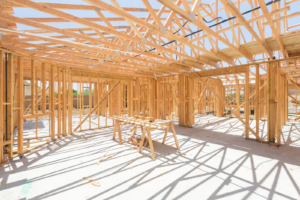
A fire caught in its earliest stage is dramatically different from one allowed to grow unchecked. The longer a fire burns, the greater the release of smoke, toxic combustion byproducts, and structural damage. Public fire loss data from National Fire Protection Association consistently shows how quickly fire events escalate when not detected. Water use during suppression also increases, along with the waste created by destroyed building materials, equipment, and inventory.
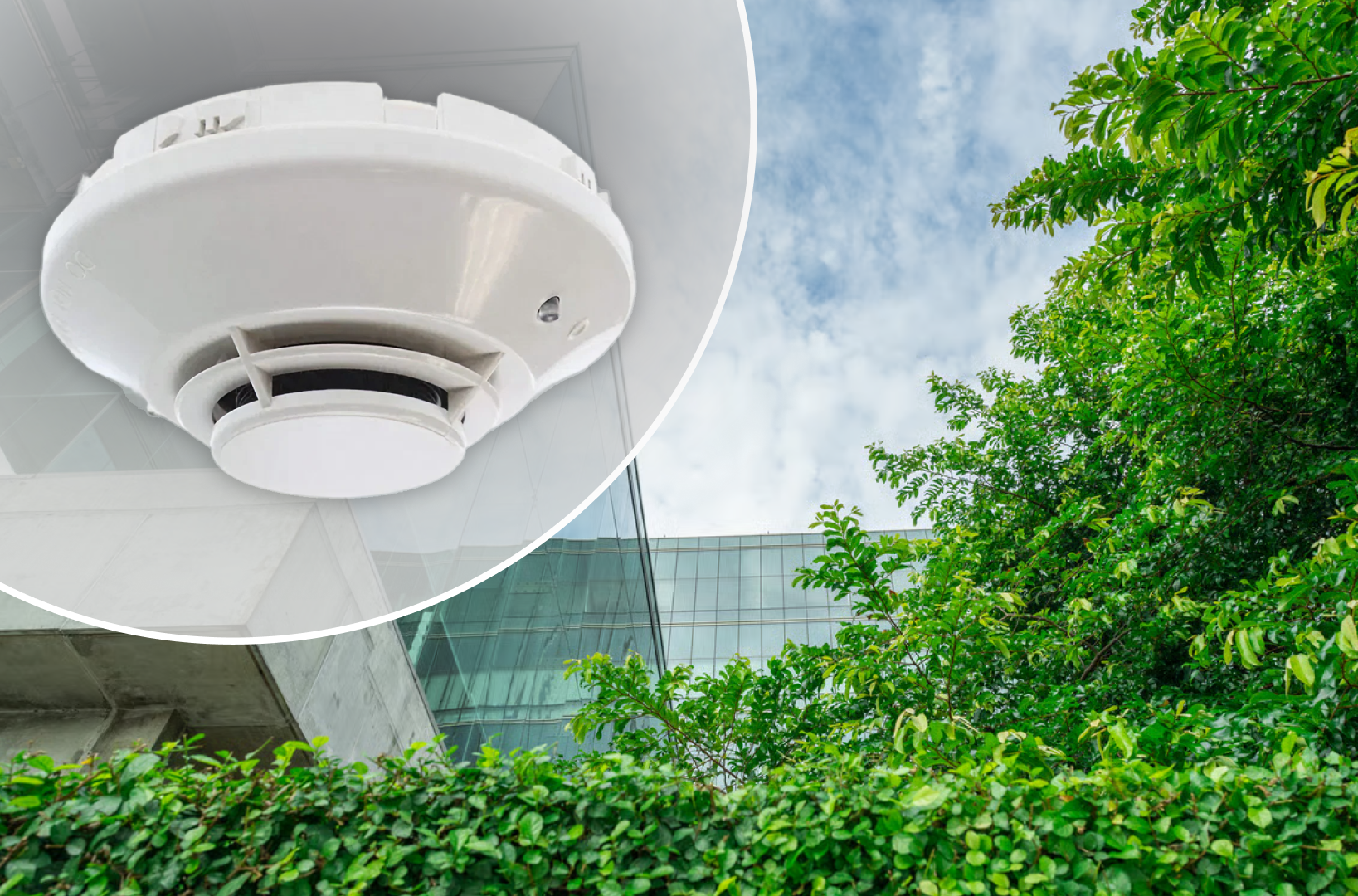
That is why early detection matters beyond code compliance. A properly designed and maintained fire alarm system can help keep a small incident from becoming a major environmental event. In many buildings, the detector on the ceiling may do more to prevent waste and emissions than any sustainability campaign discussed in the boardroom.
False alarms are often treated as an inconvenience, but they carry real costs. Every unnecessary emergency response uses fuel, personnel time, vehicle wear, and public resources. Agencies such as Federal Emergency Management Agency and local jurisdictions continue to highlight the burden false alarms place on emergency services. Inside the building, false alarms interrupt operations, delay productivity, and can condition occupants to respond more slowly when a real emergency occurs.
Most nuisance alarms are not random. They are commonly tied to dirty detectors, aging devices, incorrect detector selection, or equipment that has drifted outside proper sensitivity ranges. These are preventable issues that routine maintenance is designed to catch.
Reducing false alarms is not only a service goal. It is also part of sustainable fire protection because it reduces unnecessary dispatches and keeps systems trusted by the people who rely on them.
Fire alarm devices do not last forever. As detectors age, performance can decline and nuisance alarms may become more common. Keeping expired devices in service too long often creates a cycle of repeated service calls, inconsistent reliability, and avoidable disruption.
Replacing detectors on schedule is one of the simplest ways to improve long-term system performance. It also reduces the hidden waste created when technicians must repeatedly troubleshoot failing devices that should have been retired earlier.
Some older ionization detectors may also require specific disposal procedures depending on manufacturer guidance and local regulations. Responsible end-of-life handling is another practical part of sustainable fire protection.
Modern addressable fire alarm systems provide a clearer picture of what is happening inside a building. Instead of identifying only a general zone, they can pinpoint the exact initiating device. That saves valuable time during investigations, service calls, and emergency response.
The operational benefit is obvious, but there is also an environmental benefit. Faster diagnostics can reduce unnecessary truck rolls, shorten impairments, and help maintenance teams target issues more efficiently. Over time, smarter information often means fewer wasted resources.
For many facilities considering upgrades, an addressable system may offer value well beyond compliance alone.
There is no separate green version of fire protection that replaces good technical work. Sustainability is often the result of fundamentals done well: selecting the right device for the environment, maintaining equipment consistently, replacing components before failure, and reducing false alarms whenever possible.
When those basics are handled correctly, buildings become safer, systems last longer, and fewer resources are wasted responding to preventable problems.
That makes reliable fire alarm systems one of the most practical sustainability tools many buildings already have.
Whether you are replacing outdated detectors, upgrading to an addressable system, or sourcing dependable components for a new project, FireAlarm.com helps contractors, facility teams, and property owners find trusted products faster.
Browse commercial fire alarm devices, smoke detectors, bases, pull stations, panels, and more—all backed by industry expertise and ready to ship.