The 2026 NBA Finals played out across two arenas before the New York Knicks closed it out in five games, defeating the San Antonio Spurs to win their first championship since 1973. Games 3 and 4 were played at Madison Square Garden in New York City, with the series clincher landing back at the Frost Bank Center in San Antonio. Between the two venues, NBA Finals fire safety infrastructure was responsible for protecting roughly 38,000 people per game night, in two different buildings, under two different local jurisdictions, both governed by the same federal baseline: NFPA 101, the Life Safety Code.
That baseline is not optional, and it is not simple. When an assembly occupancy exceeds 6,000 occupants, NFPA 101, the Life Safety Code requires a formal life safety evaluation, a written assessment of the facility’s systems, means of egress, crowd management procedures, and non-fire hazards. Both MSG and Frost Bank Center surpass that threshold three times over.
Here is what the code actually requires at a venue of this scale, and what that means for the professionals who design, inspect, and maintain these systems.
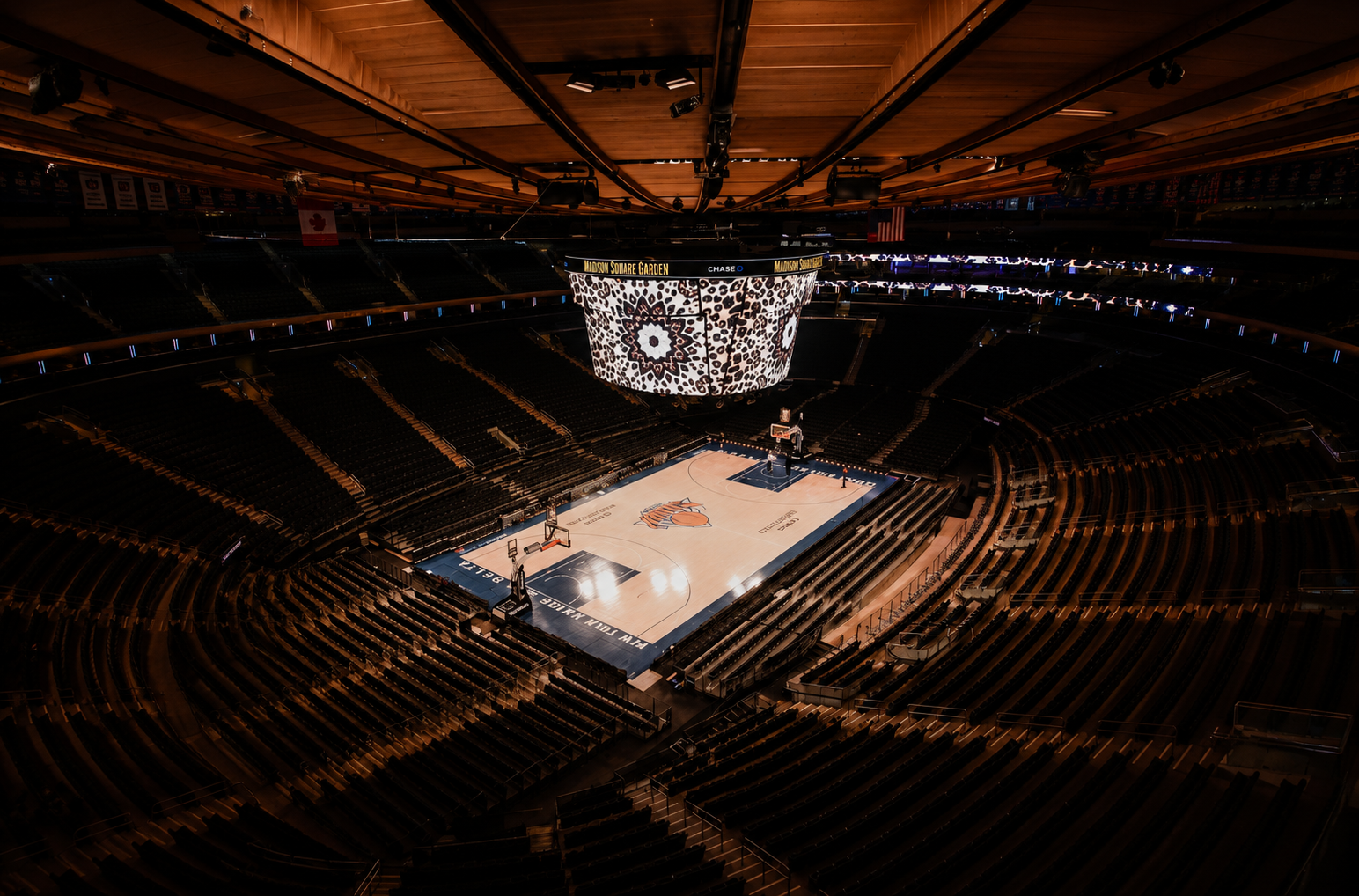
MSG seats 20,789 for NBA basketball. It is classified as an existing assembly occupancy under NFPA 101 Chapter 13, which means its fire protection systems, means of egress, and annual life safety evaluation must meet ongoing code compliance requirements. The arena has been the home of the Knicks since 1968 and has hosted NBA Finals games before. Its age and vertical configuration present unique life safety challenges that modern arenas are not built around.
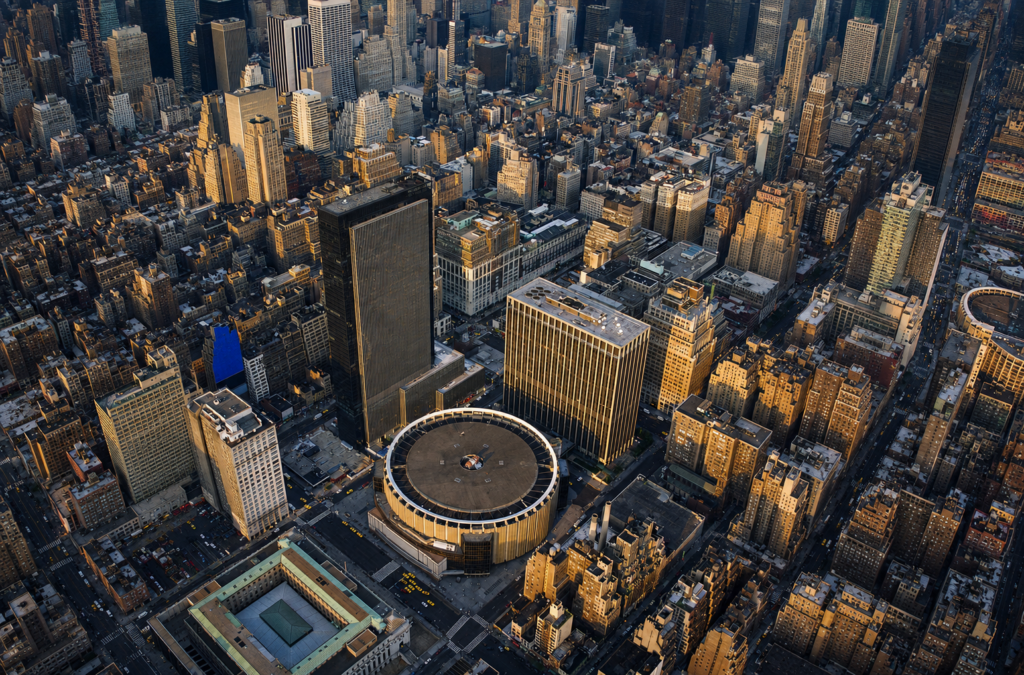
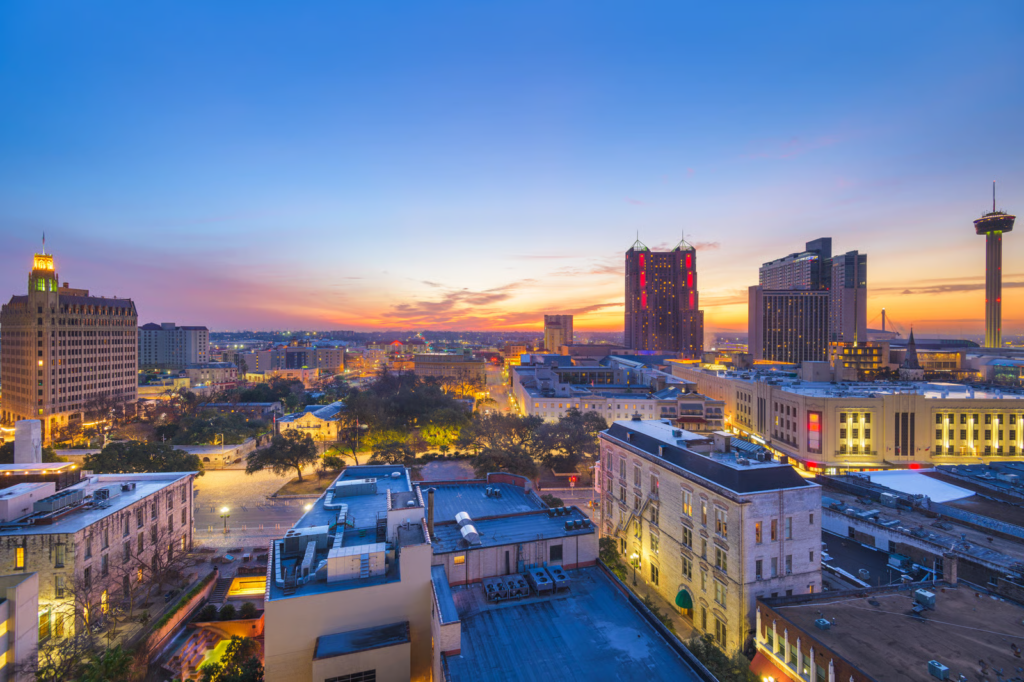
Frost Bank Center opened in 2002 and seats 18,418 for NBA basketball, with a maximum event capacity of approximately 19,000. As a newer facility, it was built to match modern code requirements from the ground up. It has hosted championship events before, including previous NBA Finals matchups for the San Antonio Spurs franchise. It operates under Texas fire and building codes, which adopt NFPA 101 and NFPA 72 as their technical standards.
Together, these two buildings represent two different eras of arena construction, both now carrying the full weight of fire and life safety compliance requirements at the highest level of occupancy load in professional sports.
NFPA 72, the National Fire Alarm and Signaling Code governs the detection and notification systems inside both arenas. At occupant loads exceeding 300, NFPA 101 requires fire alarm systems with voice messages for occupant notification. At 18,000-plus, that requirement is not satisfied by a basic horn-strobe system. These venues are running mass notification infrastructure: multi-channel, zoned, intelligible voice evacuation capable of reaching every section of a multi-level bowl configuration, with separate signal paths to concourses, suites, back-of-house, and broadcast areas.
That is where NBA Finals fire safety requirements get serious: the life safety evaluation is not a standard inspection. Any assembly occupancy with a seating configuration that triggers smoke-protected assembly seating provisions, or that exceeds 6,000 in occupant load, must undergo a life safety evaluation. This is not a standard inspection. It is a written analysis, prepared by persons acceptable to the authority having jurisdiction (AHJ), that covers fire hazards, non-fire hazards (including crowd crush and overcrowding), egress modeling, emergency systems, and facility management procedures. It must be approved annually and updated any time there is a special or unusual condition.
For a Finals game, that condition exists by definition. Crowd composition, security configuration, media presence, and public attention are all different from a regular season game. The evaluation has to account for that.
NFPA 72, the National Fire Alarm and Signaling Code, governs the detection and notification systems inside both arenas. At occupant loads exceeding 300, NFPA 101 requires fire alarm systems with voice messages for occupant notification. At 18,000-plus, that requirement is not satisfied by a basic horn-strobe system. These venues are running mass notification infrastructure: multi-channel, zoned, intelligible voice evacuation capable of reaching every section of a multi-level bowl configuration, with separate signal paths to concourses, suites, back-of-house, and broadcast areas.
What that system does in the first 90 seconds of an alarm determines whether an orderly evacuation is possible. Intelligibility of voice messages is a code requirement, not a preference. If people cannot understand what they are being told to do, the system has failed its primary function.
NFPA 101 Section 12.2.3 requires that the main exit of an assembly occupancy must be wide enough to handle at least half of the total occupant load. Panic hardware is required on exit doors serving 100 or more occupants. No door in the egress path may require a key, tool, or special knowledge to open from the inside.
At an arena like MSG, egress is complicated by the building’s vertical layout. Multiple levels of seating, stacked concourses, and a below-grade entry all factor into egress modeling. Code requires that exit travel distances and exit capacities are calculated and verified against occupant load. For existing assemblies, those calculations have to hold up under current occupant numbers, not the numbers from the last time the building was inspected.
For new assembly occupancies with occupant loads exceeding 300, automatic fire sprinkler protection is required. Frost Bank Center, built in 2002, was designed with full sprinkler coverage. MSG operates under existing building provisions and has undergone significant renovation, including fire protection upgrades. Suppression systems at this scale are typically designed by licensed fire protection engineers and maintained under NFPA 25, the Standard for the Inspection, Testing and Maintenance of Water-Based Fire Protection Systems.
Indoor arenas with large bowl configurations may utilize smoke-protected assembly seating provisions under NFPA 101. When smoke control systems are engineered and tested to maintain smoke levels above six feet in egress paths, the code allows for reduced exit-width factors and extended travel distances. This directly affects how many exits are needed and where they have to be located. These systems must be designed and tested to NFPA 92 standards by a licensed professional engineer. A system that has not been recently tested is a system you cannot count on.
Most facility managers are not responsible for a venue at the scale of MSG or Frost Bank Center. But the principles in play at both arenas apply across every assembly occupancy: houses of worship, convention centers, performance venues, university event spaces.
The triggers are lower than most people assume. NFPA 101 requires sprinkler systems above 300 occupants. Voice evacuation is required above 300 occupants. A formal life safety evaluation requirement kicks in at 6,000. If you are managing a building that regularly hits any of those thresholds, your fire alarm and life safety systems are operating under requirements that go well beyond a basic horn and pull station.
The question is whether your systems are actually built to meet those requirements, and whether they have been tested and maintained to a standard that would hold up under an actual emergency.
An annual inspection that checks boxes is not the same as a system that works. Detection coverage, voice message intelligibility, egress path integrity, suppression system condition, and mass notification capability all have to be verified against current occupant loads and building configurations. As occupancy use changes, as renovations happen, and as systems age, those verifications become more critical.
The NBA Finals fire safety systems protecting those 38,000 people are not visible from the seats. But the code principles in play at both arenas apply at every assembly occupancy on your job list. If your project involves occupant loads above 300, voice evacuation requirements, or a mass notification system, you already know how much time gets lost tracking down the right equipment and confirming it meets spec.
FireAlarm.com was built to cut that time down. Search by product type, confirm compatibility, and get expert answers without waiting on hold with a manufacturer.
Find what you need at FireAlarm.com.