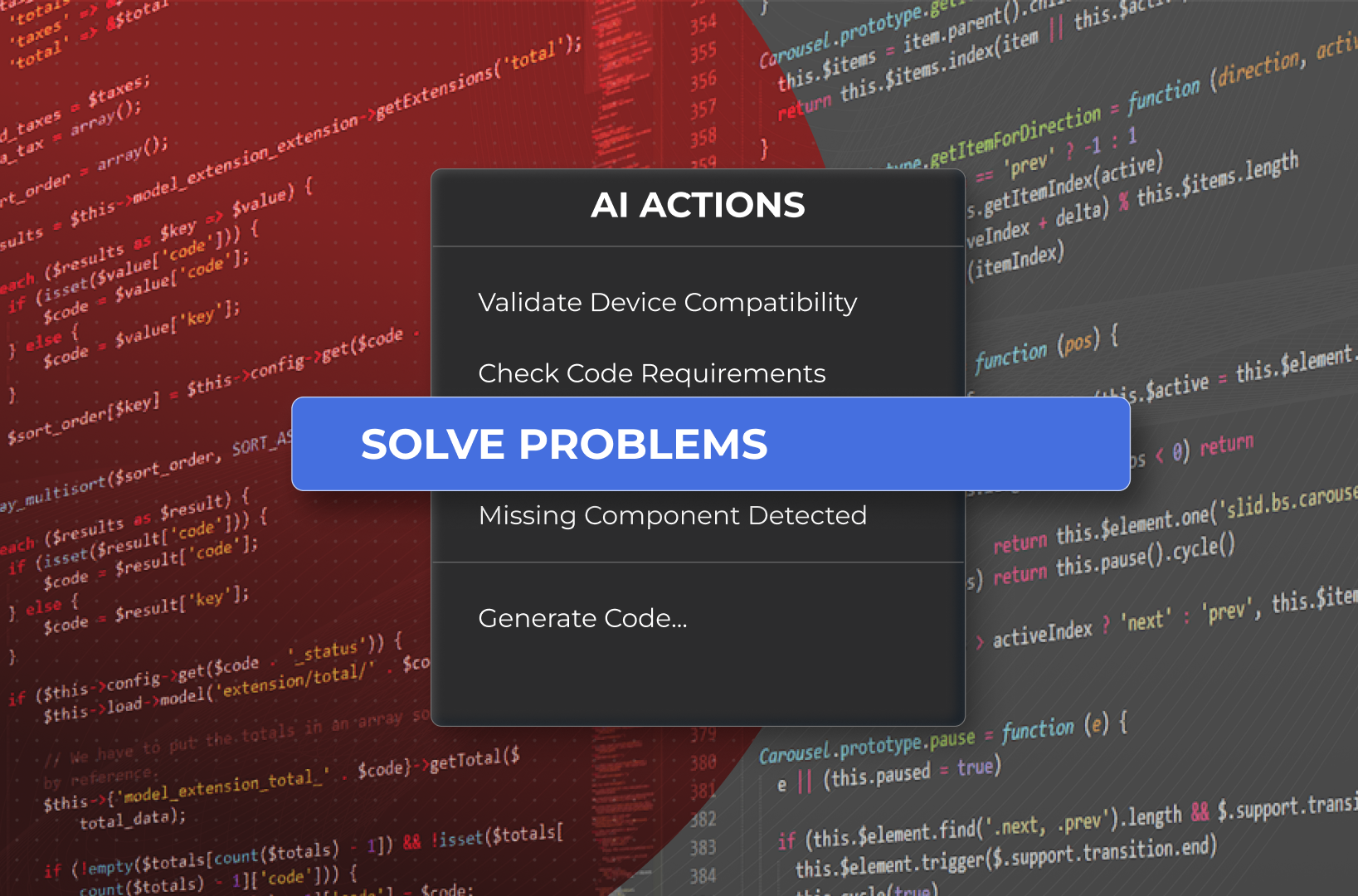
Human error remains one of the leading causes of compliance failures across industries. In fire protection, however, the stakes are significantly higher. A missed inspection, an incorrect device selection, or incomplete documentation can lead not only to failed inspections and costly project delays, but also to systems that may not perform when they are needed most. AI in fire protection compliance is changing that and helping teams catch errors before they compound.
As fire protection systems grow more advanced, the reliance on manual processes introduces additional risk. AI in fire protection compliance is emerging as a practical solution, helping teams improve accuracy, validate decisions, and support compliance workflows in real time.
Most compliance issues are not the result of inexperience. Instead, they arise from the complexity of modern fire protection workflows combined with time constraints. Professionals in this field are responsible for interpreting evolving codes, verifying compatibility across interconnected systems, maintaining detailed documentation, and coordinating across multiple stakeholders including engineers, contractors, and authorities having jurisdiction.
When these responsibilities are managed manually, even small oversights become more likely. Over time, these minor issues can accumulate, ultimately resulting in larger compliance challenges that affect both timelines and system performance.
Errors in fire protection typically take several forms. Cognitive overload can lead to misinterpreted data or missed warning signs. Procedural inconsistencies may result in skipped steps or reliance on outdated standards. Repetitive tasks can introduce lapses in attention, even among experienced technicians. Communication gaps, such as incomplete documentation or poor handoffs, can further delay approvals and inspections. In practice, these issues often overlap, amplifying their overall impact.
Artificial intelligence addresses these challenges by reducing manual friction and supporting more consistent decision-making throughout the compliance process.
One of the most immediate benefits is real-time compatibility validation. AI systems can quickly confirm whether selected devices will function together as intended, while also identifying missing components required for proper system operation. This ensures that designs are correct before installation begins, minimizing rework and avoiding unnecessary delays.
Documentation, another common source of error, becomes more reliable with automation. AI can generate reports, capture data, and maintain records with consistency, significantly reducing transcription mistakes and improving inspection readiness. Instead of spending time on manual entry, teams can rely on accurate, standardized documentation that is always up to date.
AI also simplifies the challenge of navigating complex and frequently updated codes. By surfacing relevant requirements in context, it allows professionals to make faster, more confident decisions without needing to manually search through extensive codebooks. This not only saves time but also reduces the likelihood of missing critical compliance details.
Beyond immediate validation, AI introduces predictive capabilities that help teams stay ahead of potential issues. By analyzing system data and identifying patterns, it can flag risks before they escalate into failures. This proactive approach allows for preventative maintenance and early adjustments, rather than reactive fixes after problems occur.
Continuous monitoring further strengthens compliance by providing real-time alerts when issues arise. Whether it’s a missed inspection, incomplete documentation, or abnormal system behavior, AI ensures that problems are identified and addressed as they happen. This transforms compliance from a periodic checkpoint into an ongoing, reliable process.
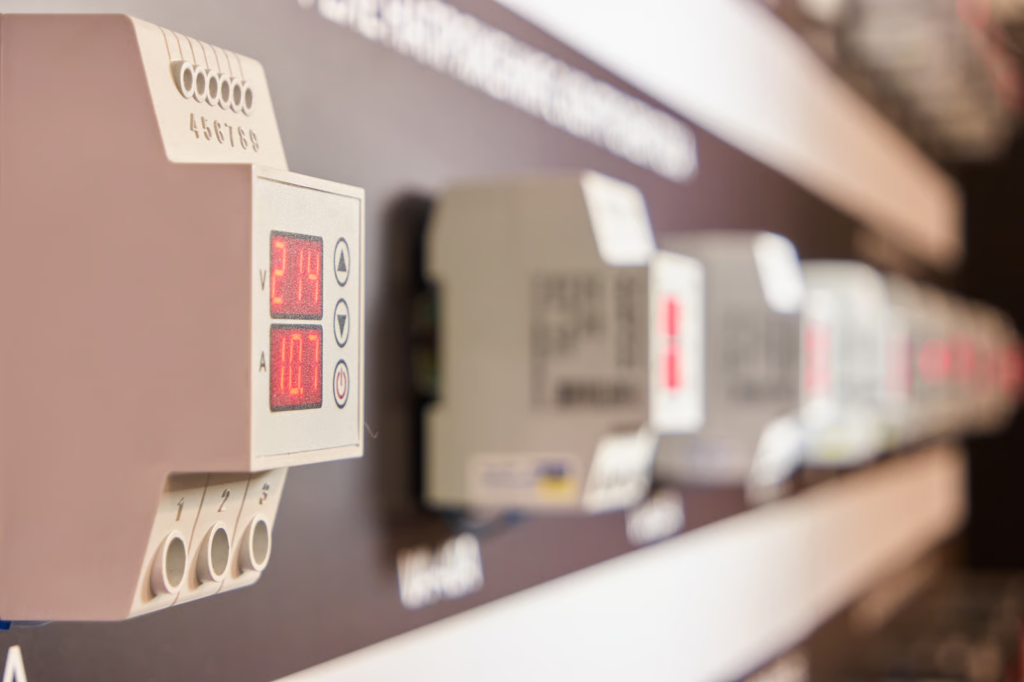
These capabilities are powered by a combination of advanced technologies working together. Machine learning enables systems to recognize patterns and predict outcomes based on historical data. Natural language processing helps interpret complex code requirements and extract relevant guidance. Robotic process automation ensures repetitive tasks are handled consistently, while computer vision can verify installations and equipment conditions through visual analysis.
Together, these technologies create a more accurate and dependable compliance ecosystem, supporting every phase of a fire protection project. A recent example is NFPA LiNK 3.0, which uses AI to help professionals navigate code requirements faster, surfacing relevant sections in context rather than requiring manual searches through the codebook.
AI is already reshaping how fire protection systems are designed, installed, and maintained. Inspection workflows become more structured and dependable when technicians are guided step-by-step and reporting is handled automatically. Code compliance becomes easier to manage when updates are tracked and delivered in context. Maintenance strategies become more efficient when systems are continuously monitored instead of relying solely on scheduled checks.
The result is a more predictable process overall, with fewer delays, reduced errors, and greater confidence in system performance. For a broader look at how AI is changing safety compliance across the industry, see UL Solutions on how AI is reshaping safety compliance.
While AI introduces powerful new capabilities, it does not replace the expertise of fire protection professionals. Engineering judgment, field experience, and a deep understanding of real-world conditions remain essential.
What AI provides is support. By reducing the burden of repetitive validation and monitoring, it allows professionals to focus on higher-value tasks such as system design, troubleshooting, and strategic decision-making. For context on where AI fits within the broader fire and life safety landscape, see NFPA’s analysis of AI applications in fire and life safety.
As fire protection systems continue to increase in complexity, the margin for error becomes smaller. AI offers a practical path forward by improving accuracy, streamlining workflows, and reducing compliance risk.
The goal is not automation for its own sake, but greater reliability. Ensuring that systems are designed correctly, installed efficiently, and perform exactly as expected when it matters most is ultimately what defines successful compliance.
Browse FireAlarm.com‘s compatible fire alarm control panels and initiating devices to verify system compatibility before your next submittal.